
Asbestos regulations are strict, and the use of this hazardous natural mineral is declining. Yet, everyday Americans are still being exposed to asbestos even today. There is still no ‘safe’ limit for exposure, which means any amount may put someone at risk of a serious illness like mesothelioma or asbestosis. It begs the question: When we have many material alternatives to asbestos, why are everyday people still being exposed? It’s often for these reasons:
It’s Not Fully Banned in the United States
While many countries have banned asbestos entirely, the United States hasn’t. Despite regular and ongoing asbestos settlements and legal actions by families affected by asbestos, it remains strictly regulated, rather than outright banned.
The United States Environmental Protection Agency (EPA) outlines all relevant rules and regulations on its website. While they issued a final rule banning most asbestos-containing products in 1989, the Fifth Circuit Court of Appeals overturned it in 1991. As a result, just a few products remain banned.
It’s Prevalent in Older Buildings
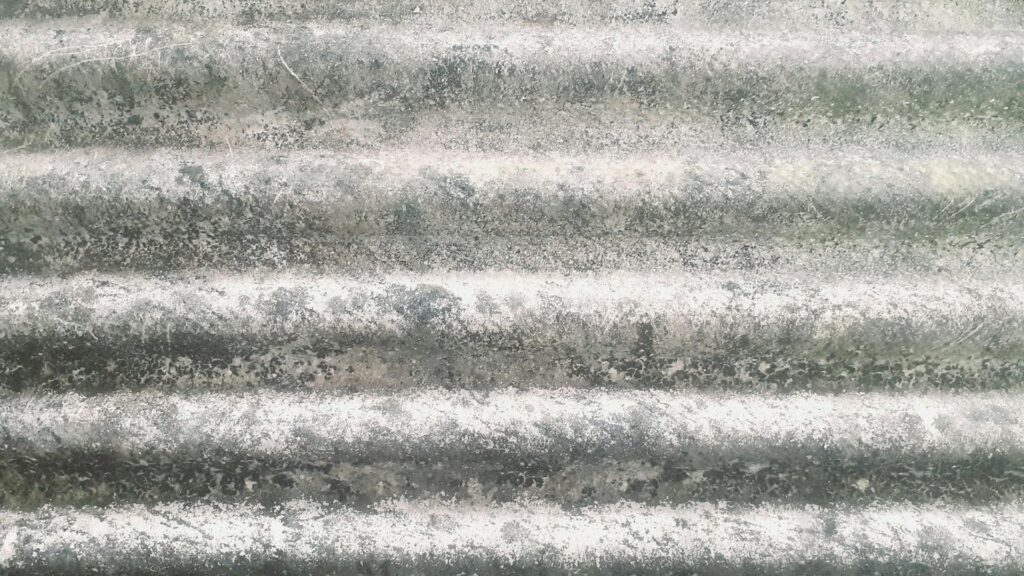
Asbestos products may no longer be regularly installed in new residential and commercial buildings, but they remain prevalent in older buildings constructed before the 1980s. In these structures, it wasn’t uncommon for there to be asbestos ceiling tiles, roofing, and floor adhesives, among other materials. Millions of homes and businesses across the country still contain them today.
When undisturbed, asbestos materials pose minimal or no health risk. However, deterioration, drilling, and renovations can all release microscopic fibers into the air, putting occupants at risk of inhaling them.
Occupational Exposure Still Happens
Manufacturers now know how harmful asbestos can be. An estimated 255,000 deaths are linked to it every year, with 233,000 of them relating to workplace exposure. Mesothelioma is a malignant tumor that’s linked to at least 80% of those cases.
Yet occupational exposure still occurs due to the prevalence of asbestos-containing products across various industries. Workers in the following industries are considered to be at higher risk, often due to improper handling or lack of awareness:
- Construction and demolition
- Shipbuilding and repair
- Automotive repair
- Industrial maintenance
There Are Natural Asbestos Deposits
Asbestos isn’t a human-made product. While it’s turned into materials in factories, it starts as a naturally occurring mineral in rock formations.
United States residents may be exposed to asbestos through construction, mining, or roadwork that disturbs asbestos-containing deposits. Some parts of the United States also have a higher environmental exposure risk. For example, California has 290 identified natural asbestos locations in 45 of its 58 counties, and they also have the highest number of asbestos-related deaths in the nation.
Long Latency Period
Asbestos exposure isn’t like the common cold. You don’t just inhale fibers one day and come down with mesothelioma or asbestosis the next. Asbestos-related diseases have a long latency period of around 20 to 50 years. This means that if workers were exposed to friable asbestos in their line of work several decades ago, they may not be diagnosed with a related illness until they retire.
Despite bans and regulations in place, many thousands of people in the United States remain at risk of exposure and subsequent illnesses. The biggest risks come from disturbing old materials and occupational settings. If you’re concerned about exposure in your home or business, expert assistance is crucial for identifying the risk and providing mitigation strategies.