
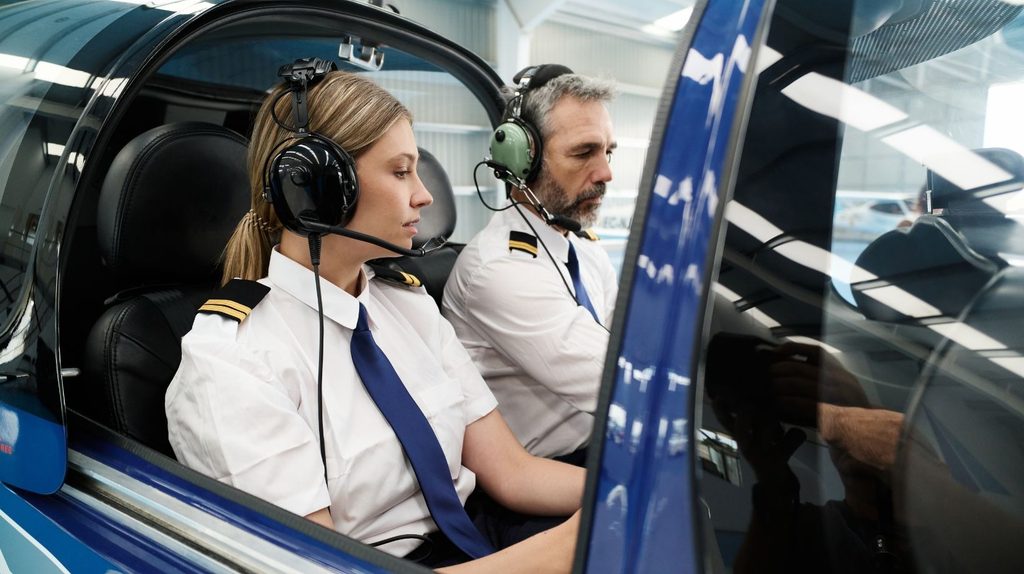
People who dream about flying never find out whether they’d actually enjoy it. The idea stays parked somewhere between “someday” and “probably too expensive.” Then one afternoon, they sit in the left seat of a small airplane, hands on the controls, and the question finally gets an honest answer.
That first hour is usually called a discovery flight. It’s short, fairly affordable, and surprisingly revealing. This guide walks through what happens, how to prepare, and how to read the experience so you can decide what comes next with a clear head.
Key Takeaways
- A discovery flight is a real lesson with a certified flight instructor, not a sightseeing ride. You’ll likely handle the controls yourself.
- When logged with an instructor, that time can count toward a future pilot certificate.
- Preparing a few questions ahead of time helps you judge the school, the instructor, and the training path.
- Pay attention to how you feel after landing, not just during the flight. Curiosity is a better sign than pure excitement.
- The biggest factors in finishing flight training are schedule consistency, budget planning, and a good instructor match.
What a Discovery Flight Actually Is
A discovery flight is an introductory lesson, typically lasting 45 minutes to an hour in the air. You fly with a certified flight instructor (CFI) in a training aircraft, and the goal is simple: give you a taste of what learning to fly feels like.
It isn’t a passenger experience. Most instructors will hand you the controls once you’re safely at altitude. You’ll make gentle turns, climb, descend, and get a sense of how the airplane responds to small inputs.
Many people are surprised by how light the controls feel. Others are surprised by how much there is to look at. Both reactions are normal, and both tell you something useful.
Why the Time Can Count
Because you’re flying with a certified instructor, the flight can be logged. If you go on to train for a private pilot certificate, that entry becomes part of your flight history. It’s a small head start, but it makes the first flight feel less like a gamble and more like an actual first step.
Before You Book: Picking the Right Place
Where you take your first flight shapes how you remember it. A rushed, disorganized experience can put people off flying for years, while a calm, well-run lesson can spark a lifelong interest.
Look for a school that trains students regularly, keeps its aircraft well maintained, and has instructors who seem genuinely interested in teaching. Location matters too. If you’re anywhere near the Georgia coast, booking a discovery flight in Savannah gives you a scenic route over rivers, marshes, and historic neighborhoods, which makes the lesson memorable even before you touch the controls.
Questions Worth Asking on the Phone
A quick call before booking can save you from a disappointing experience. Consider asking:
- Will I get to handle the controls during the flight?
- What type of aircraft will we fly?
- Is there a short briefing before we take off?
- Can I bring a friend or family member along?
- If I decide to continue, what does the next step look like?
The answers matter, but so does the tone. Staff who take time to explain things now will probably do the same during training.
How to Prepare the Day Before
You don’t need to study anything before a discovery flight. Still, a little preparation makes the hour more comfortable and more useful.
Get a good night’s sleep and eat a light meal beforehand. An empty stomach and nerves are not a great combination, especially on a warm day. Drink water, but not so much that you’ll be distracted halfway through.
Wear comfortable clothes and closed-toe shoes. Sunglasses help, since glare in a small cockpit can be intense. If you tend to get motion sickness, mention it to your instructor before the flight. They can keep maneuvers gentle and help you focus on the horizon.
Watch a Few Videos, but Don’t Overdo It
Watching a couple of short videos about the basics of small aircraft can make the cockpit feel less foreign. Just don’t try to memorize procedures. Your instructor will walk you through everything, and part of the fun is learning in the moment.
What Happens on the Day
Most discovery flights follow a similar rhythm. Knowing the sequence helps you relax and pay attention to what matters.
The Briefing
Your instructor will usually start on the ground. Expect a short talk about the flight plan, the airspace nearby, and how the controls work. Some instructors use a model airplane or a whiteboard to explain how the aircraft pitches, rolls, and turns.
This is a good time to ask questions. There’s no such thing as a silly one here. Instructors hear “What happens if the engine stops?” nearly every week, and a good one will answer calmly and honestly.
The Preflight Walkaround
Before takeoff, you’ll likely walk around the aircraft with your instructor. They’ll check the fuel, oil, control surfaces, tires, and more. This part surprises many first-timers because it shows how much care goes into every flight.
Pay attention here. The walkaround reveals a lot about a school’s culture. Thorough, unhurried checks are a good sign.
Taking Off and Taking Over
Your instructor may let you help with the takeoff or handle it themselves while you follow along lightly on the controls. Once you reach a safe altitude, they’ll hand the airplane over to you.
The first few seconds can feel strange. You might overcorrect or grip the yoke too tightly. That’s completely normal. Most people settle in within a few minutes and start to enjoy the feeling of guiding the aircraft through the sky.
The Landing
Landing is usually handled by the instructor on a first flight, though you may be invited to follow along. Watching closely helps you understand how much coordination goes into those final moments. It also gives you something to look forward to if you continue training.
Reading the Experience Honestly
After you land, it’s tempting to judge the whole experience based on the adrenaline. A better approach is to wait an hour or two and notice what stays with you.
Did you find yourself replaying the turns in your head? Are you curious about how the instruments work, or why the instructor chose a certain altitude? That lingering curiosity often says more about your long-term interest than the excitement of takeoff.
On the other hand, if the flight felt stressful and you’re relieved it’s over, that’s useful information too. Flying isn’t for everyone, and knowing that early saves time and money.
Separating Nerves From Dislike
First flights can be nerve-racking. Feeling nervous doesn’t mean you won’t enjoy flying. Many confident pilots describe their first lesson as a blur. If you’re unsure, a second introductory lesson with the same instructor can help you tell the difference between nerves and genuine dislike.
If You Want to Keep Going
Deciding to continue is exciting, but it’s also a real commitment. Thinking through a few practical points now will make the path smoother.
Understand the Basic Requirements
To earn a private pilot certificate in the United States, you’ll need to be at least 17 years old, read and speak English, hold an FAA medical certificate, pass a written knowledge test, log the required flight hours, and complete a practical exam known as a checkride. You can solo at 16, which is a milestone many students remember forever.
Plan Your Schedule
Consistency matters more than speed. Students who fly two or three times a week tend to retain skills better than those who fly once every few weeks. Long gaps mean relearning, and relearning costs money.
Look at your calendar honestly. If work or family commitments make frequent flying hard, it may be smarter to wait a few months and start when you can commit properly.
Think About the Training Environment
Some schools focus purely on recreational flying, while others support students through advanced ratings and career paths. If you’re considering aviation as a profession, look for flight training in coastal Georgia or your own region that covers instrument, commercial, and instructor ratings under one roof. Staying with one school can make the transition between stages much easier.
Budget With a Buffer
Flight training costs vary widely based on aircraft type, location, and how often you fly. Rather than trusting a single estimate, ask for a breakdown that includes aircraft rental, instructor time, ground school, exam fees, and headsets or study materials.
Then add a buffer. Weather delays, maintenance days, and extra practice on tricky skills are part of every student’s journey. Some schools also offer financing options or accept military education benefits for certain programs, so it’s worth asking what’s available.
Choosing an Instructor You Trust
Your instructor will shape your experience more than anything else. A patient, clear teacher can make difficult concepts feel approachable. A poor match can make even simple lessons frustrating.
Pay attention to how your discovery flight instructor explains things. Do they check whether you understood? Do they stay calm when you make a mistake? Do they seem interested in your goals? If the answer is yes, that’s a strong reason to keep flying with them.
It’s also fine to ask for a different instructor if the fit doesn’t feel right. Reputable schools understand that personalities matter and won’t take it personally. A school with experienced instructors and a well-kept training fleet will usually have a few teaching styles to choose from.
Common Worries, Answered Simply
Many would-be pilots hold back because of a few recurring fears. Talking them through often helps.
“I’m not good at math.” Basic arithmetic helps, but you won’t need advanced math. Most calculations involve fuel, time, and distance, and you’ll learn tools to make them easier.
“I’m afraid of heights.” Interestingly, many people with a fear of heights feel fine in small airplanes. The sense of height in a cockpit is very different from standing on a ledge.
“I’m too old to start.” There’s no upper age limit for a private pilot certificate. People begin training in their 40s, 50s, and beyond. What matters most is health, patience, and consistency.
Conclusion
A discovery flight is one of the few ways to test a big dream without committing to it fully. In a single hour, you’ll learn how an airplane feels in your hands, how a real instructor teaches, and whether the pull toward flying is something you want to follow.
Go in prepared, ask thoughtful questions, and give yourself time afterward to reflect on how the experience felt. If the curiosity lingers, map out your schedule, build a realistic budget, and look for an instructor who makes you feel both challenged and supported. If it doesn’t, you’ll still walk away with a story few people get to tell, and a much clearer sense of what you really want.