
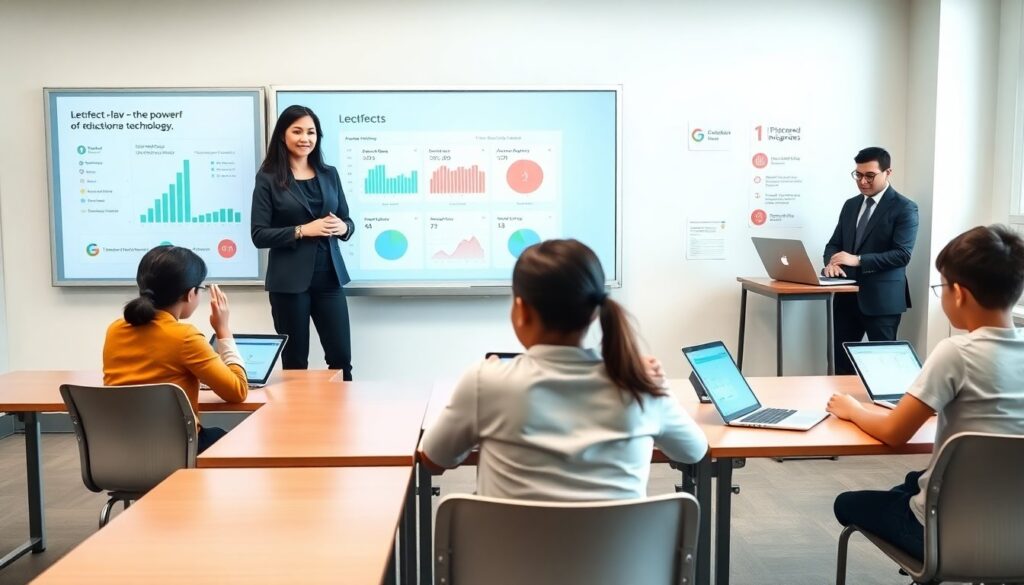
Rise of educational technology careers lectfect offers tools that change how teachers teach and how students learn. It gives teachers digital lesson tools and gives students clear practice paths. It collects data and shows results. Schools adopt it to raise skills, save time, and reach more learners. This guide explains what Lectfect does, why it matters now, and how schools can use it.
Key Takeaways
- Lectfect the power of educational technology revolutionizes teaching by providing digital tools that personalize learning and track student progress effectively.
- This platform supports hybrid and diverse learning environments, enabling schools to save time on grading while enhancing student engagement through interactive lessons.
- Lectfect integrates with existing school systems, offers adaptive content delivery, and ensures data privacy, making it a versatile solution for various educational needs.
- Successful implementation of Lectfect involves pilot programs, teacher training, IT readiness, and iterative feedback to ensure smooth adoption and measurable outcomes.
- Schools measure the impact of Lectfect by analyzing learning gains, engagement metrics, and subgroup equity, using data-driven cycles to continuously improve instruction and resource allocation.
What Is Lectfect And Why It Matters Now
Lectfect the power of educational technology refers to a platform that combines content, assessment, and analytics. It delivers lessons, tracks progress, and adjusts tasks. It works on laptops, tablets, and phones. It matters now because schools need tools that fit hybrid schedules and varied student levels. It reduces manual grading and gives teachers quick insight. It supports different subjects and can scale from one classroom to a whole district. District leaders view Lectfect the power of educational technology as a practical solution to classroom demands.
The Case For Educational Technology: Benefits For Students And Schools
Teachers use Lectfect the power of educational technology to personalize instruction. Students gain practice at their own pace. Schools save time on paperwork and scheduling. Data guides interventions and reduces guesswork. Content links to standards and helps teachers meet curriculum targets. Remote learners receive the same course materials as in-person students. Schools see higher engagement when lessons include interactive tasks. Parents get progress snapshots. Administrators use aggregate data to plan professional learning and resource allocation.
Core Features Of Lectfect That Transform Learning
Lectfect the power of educational technology centers on features that support instruction, assessment, and reporting. It stores content, runs adaptive lessons, and generates reports. It integrates with gradebooks and single sign-on systems. The platform enables teachers to author content or use publisher materials. It supports multimedia and small-group workflows. It secures student data and follows privacy rules. It provides APIs for custom integrations. Schools pick features based on curriculum needs and available devices.
Practical Steps To Implement Lectfect In Your Classroom Or School
School leaders plan pilot programs and define success metrics before they buy Lectfect the power of educational technology. They choose a small set of teachers to trial the platform. They train teachers on core workflows and assign simple starter lessons. IT staff test device compatibility and network load. Teachers collect baseline data and run weekly check-ins. Leaders gather feedback and adjust rollout pace. They expand use by grade or subject once results meet targets. They budget for training and ongoing support.
Measuring Impact: Metrics, Data, And Continuous Improvement
Schools measure learning gains, engagement, and time savings when they evaluate Lectfect the power of educational technology. They compare pre- and post-assessments and track growth by skill. They monitor usage rates and assignment completion. They analyze subgroup outcomes to ensure equity. Teachers use item-level data to refine instruction. Administrators review aggregate dashboards to guide staffing and training. They run short cycles of change, measure results, and repeat the cycle. This cycle helps teams improve lessons, adjust goals, and scale success.